
There was a time when I were tasked with researching several projects to work with the government under the Public-Private Partnership model. However, they all came to a halt after a letter from MoF in 2018 paused the payment of public assets to investors. Since it’s been a while, I’ll share a bit about the research and implementation process for these projects:
Renovation of Turtle Lake (Hồ Con Rùa)
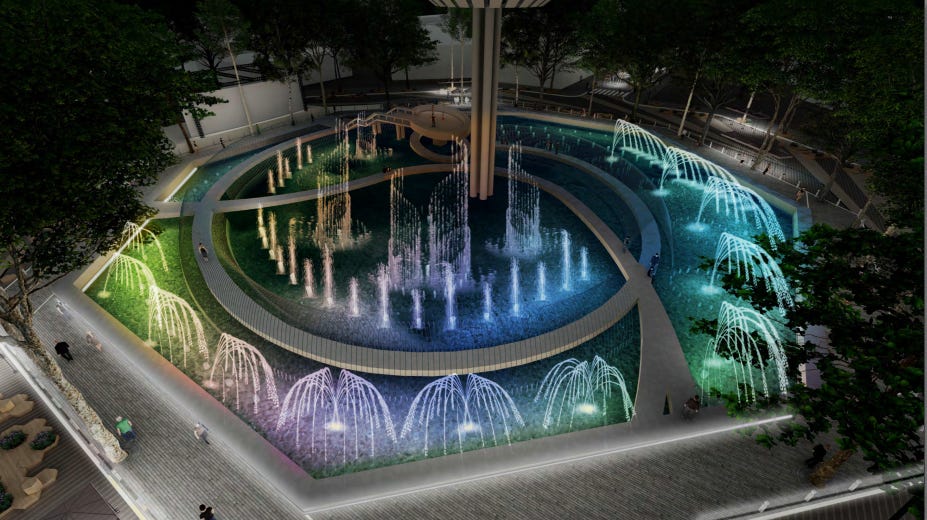
We proposed turning Turtle Lake into a Cultural-tourism Square for District 3. Our plan was to invest in renovating the entire public space in exchange for the right to operate it at night as a pedestrian street.
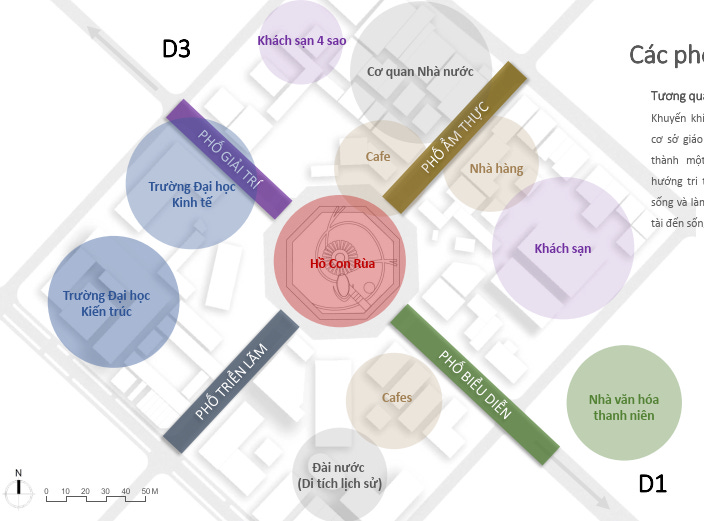
After a few meetings with government, the DPI supported us in pursuing it under the BOT (Build-Operate-Transfer) model. However, we failed in assessing the traffic impact—sidewalks were too narrow, and we couldn’t get the authorities’ agreement to block roads and turn it into a pedestrian zone. To make up for the revenue shortfall, we suggested expanding advertising rights beyond the area we were developing, but they said that the legal regulations at the time didn’t allow it.
Since it was taking too long, we paused the project.
Even now, the areas we proposed for advertising have been taken up by other companies, but Turtle Lake still hasn’t been renovated :)
A new construction for District 3 Children’s House
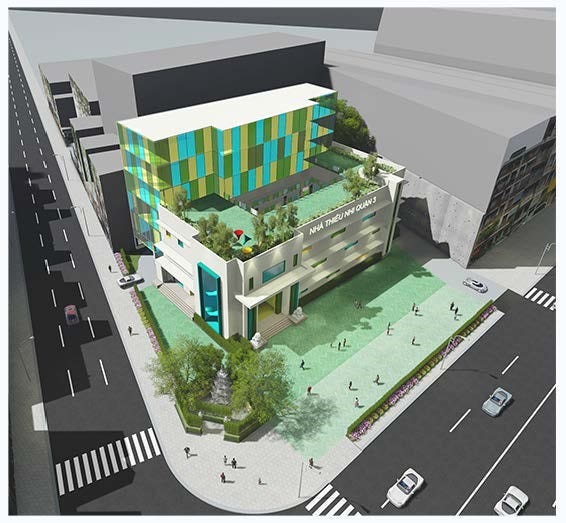
Another project, also in District 3, where the district government proposed that we build a new District 3 Children’s House under the “socialization” model. In the end, the project didn’t go ahead. The issue was a conflict within the district government between the “socialization model” and the “BOT model”. They wanted to proceed with socialization (where investors would be exempt from land use fees), but I believed it wasn’t feasible because the project didn’t meet the requirements of Decision 1466 and Decision 693, meaning we’d still have to pay land use fees. Legally, if this project were to move forward, it would have to follow the BOT model with an operating period of about 30 years for us.
After a few meetings at the DPI, the district government gained a better understanding of public-private partnership models. However, we backed out due to complications in the payment mechanism. I still believe PPP is a good way for private companies to contribute to society, but it always requires capable government counterparts to execute it effectively.
The logistics hub for agricultural products in Dong Thap
One project I found feasible and capable of solving multiple issues was the construction of a small logistics hub in Dong Thap. Since the owner had other projects in this province, the local government asked us to explore ways to increase the value of the province’s fruit. Our solution was to build a logistics area and a preliminary processing plant right at the local wholesale market.
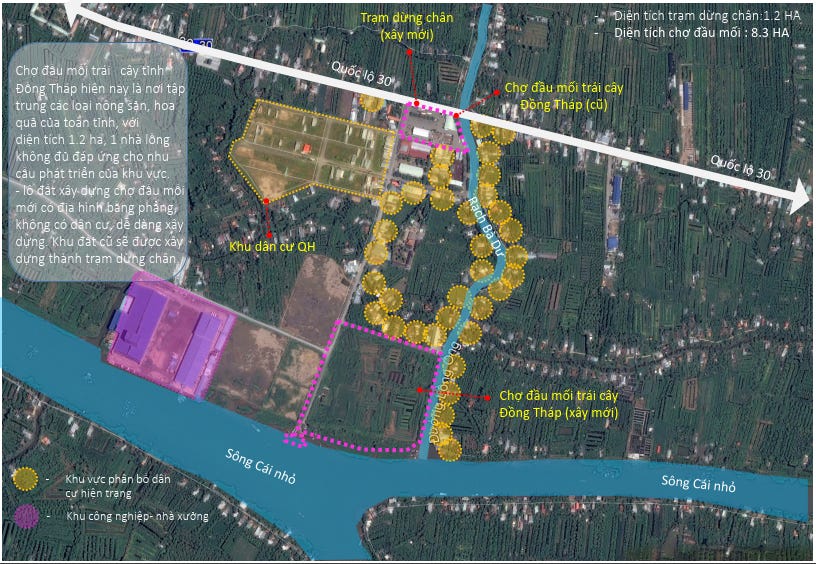
This spot is where local farmers bring their agricultural products (by boat), and 30% gets lost during transport. We wanted to build a cold storage facility at the collection point to preserve top-grade produce and a processing plant to turn lower-grade, less attractive produce into puree. We collaborate with SVM Lab from France on production technology. Everything was aimed at export.
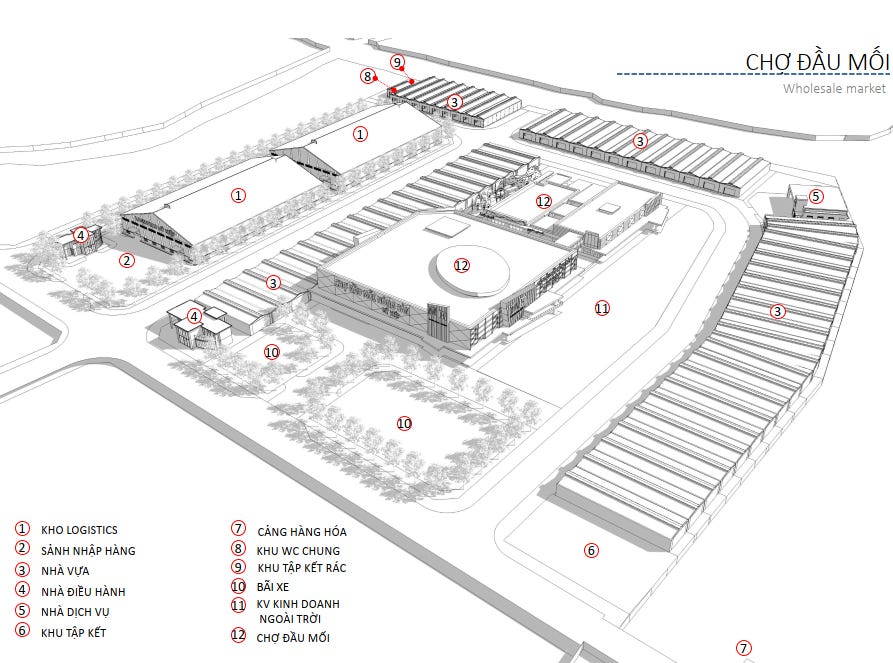
In the end, the project didn’t go through due to changes in the owner’s strategy. Dong Thap is a province with a very business-friendly government, delicious food, and kind people. Even though the project wasn’t completed, the folks from the local government are still good friends of mine today.